

Minimum Order Quantity for Private Label Supplements: What Every Brand Needs to Know
If you’re launching a private label supplement brand, one of the first questions you’ll ask a contract manufacturer is: what’s your minimum order quantity?
MOQ determines how much capital you need upfront, how fast you can get to market, and how much inventory risk you carry before you’ve validated demand. Yet most brands enter these conversations without a clear benchmark — and end up either overcommitting to a large run or choosing a manufacturer purely on low MOQ without checking their compliance standards.
This guide gives you the numbers, the context, and the questions to ask.
What Is MOQ and Why Does It Matter for Supplement Brands?
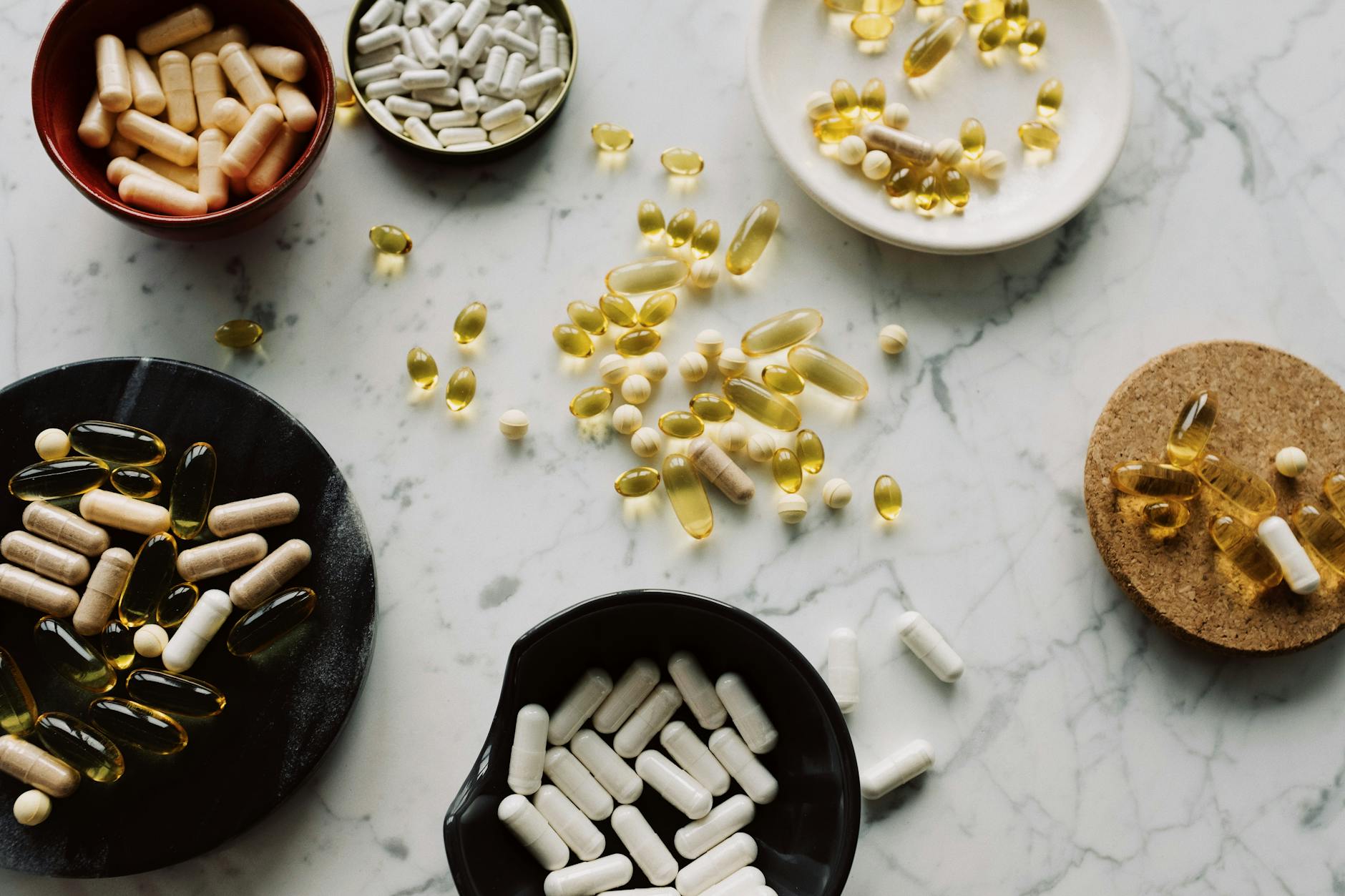
MOQ (minimum order quantity) is the smallest production run a contract manufacturer will accept for a given product. For dietary supplements, MOQs vary by dosage form: capsules typically start at 5,000–25,000 units, oral dissolving films starting at 50,000 units, and gummies at 10,000–50,000 units. MOQ is set by the CMO’s equipment setup costs and is non-negotiable below a certain threshold.
Minimum order quantity (MOQ) is the smallest number of units a contract manufacturer will produce in a single production run. It exists because manufacturing has fixed setup costs — equipment changeovers, quality testing, batch documentation, and clean-room preparation — that make very small runs economically unviable for the manufacturer.
For supplement brands, MOQ affects four things:
- Capital requirements: A 50,000-unit MOQ at $1.20/unit means $60,000 in product costs before a single sale.
- Inventory risk: Larger runs mean more stock to move. If the formula underperforms in market, you’re sitting on unsold inventory.
- Speed to market: Lower MOQ enables faster test-and-learn cycles.
- Launch flexibility: Starting at 5,000 units lets you validate before committing to a scale run.
Typical MOQs by Supplement Dosage Form
MOQ varies significantly by the complexity and equipment requirements of each dosage form. These are typical commercial ranges for a USA-based cGMP manufacturer:
ODF Strips (Oral Dissolving Films)
ODF strips start at 50,000 individual strips (approximately 1,600 boxes of 30 strips) at specialized manufacturers with dedicated film-casting production lines. Atrium Scientific’s HarmonyFilm™ oral thin film manufacturing starts at 50,000 units for qualifying formulas.
Capsules
5,000–25,000 units for existing formulas. Custom formulations requiring full stability testing under 21 CFR Part 111 typically require 25,000–100,000 units to amortize development costs. Vegetarian capsule lines and gelatin lines may have different MOQs at the same facility. Capsule contract manufacturing MOQs vary by fill complexity and ingredient sourcing requirements.
Stick Packs
5,000–20,000 units depending on fill weight, powder blend complexity, and packaging line configuration. Hygroscopic formulas and multi-ingredient blends may push MOQ higher due to specialized handling requirements. Stick pack manufacturing for stability-sensitive powders often has higher minimums than standard blends.
Suppositories
5,000–25,000 units for standard cocoa butter or polyethylene glycol bases. Specialized manufacturers with established validated suppository formulas can offer minimums as low as 3,000 units. Harmony™ suppository manufacturing covers both rectal and vaginal formats with custom formulation options.
Topical Creams, Serums, and Gels
White label topical products often have the lowest MOQs — 500–5,000 units — because mixing and filling equipment is more flexible and shared across a broader range of formulas. Private label personal care products like stem cell moisturizers and joint pain relief creams typically fall in this range.

5 Factors That Determine Your Manufacturer’s MOQ
Understanding what drives MOQ helps you negotiate intelligently and set realistic expectations before you get on a call.
- Equipment setup and changeover time: Filling machines, blending equipment, and packaging lines require cleaning validation and changeover between products. Longer setup times drive higher MOQs because fixed costs are amortized across the run.
- Raw material minimums: Specialty ingredients — patented branded actives, certified organic materials, proprietary extracts — often have their own supplier minimum purchase quantities that flow through to your MOQ.
- Lab testing requirements: Each batch requires identity testing, potency analysis, and microbial testing. Testing costs are fixed per batch regardless of batch size, so they must be amortized across enough units.
- Stability testing cycles: New custom formulations require 3–12 months of accelerated and real-time stability testing before FDA compliance is ensured. This fixed cost is independent of batch size.
- Packaging complexity: Custom packaging — specialty pouches, secondary cartons, inserts — adds dieline setup and print run minimums that push overall MOQ higher.
How MOQ Affects Your Launch Strategy
New brands commonly make one of two mistakes when it comes to MOQ.
Mistake 1: Overordering to capture a lower per-unit cost. A 100,000-unit run at $0.90/unit looks better than 10,000 units at $1.25/unit — until you’re holding 80,000 units of a product the market hasn’t validated. The per-unit savings rarely outweigh the inventory risk on a first run.
Mistake 2: Choosing a manufacturer purely based on low MOQ. A manufacturer offering 1,000-unit runs without proper cGMP controls, batch documentation, or third-party testing creates more downstream risk than a higher-MOQ manufacturer with full compliance infrastructure. The cost of a recall or FDA action dwarfs the savings from a low-MOQ deal.
The right approach: match MOQ to your 90-day sales forecast. If you expect to sell 2,000 units in the first three months, an MOQ of 3,000–5,000 gives you enough runway without overexposing yourself. Reserve larger runs for SKUs you’ve already validated.
How to Negotiate Lower MOQs
Most manufacturers have flexibility on MOQ, particularly for brands demonstrating growth potential. These strategies consistently work:
- Commit to volume across multiple SKUs: If you’re launching three products, negotiating a combined volume commitment across all three can lower the per-SKU MOQ.
- Choose existing (stock) formulas: Custom formulations require validation work. Manufacturers reduce MOQ for established formulas where setup costs are already absorbed.
- Offer to cover pilot batch costs upfront: Paying for stability testing, pilot batch, and setup fees as a lump sum removes the manufacturer’s financial risk and often unlocks lower run quantities.
- Negotiate tiered MOQ schedules: Start at a higher MOQ for run one, with the manufacturer committing to lower minimums on repeat orders as you prove demand.
- Demonstrate brand credibility: Having a live website, existing retail relationships, or a track record with another category shows you’re a serious long-term customer rather than a one-time buyer.
Verifying Quality at Low MOQ: What to Check
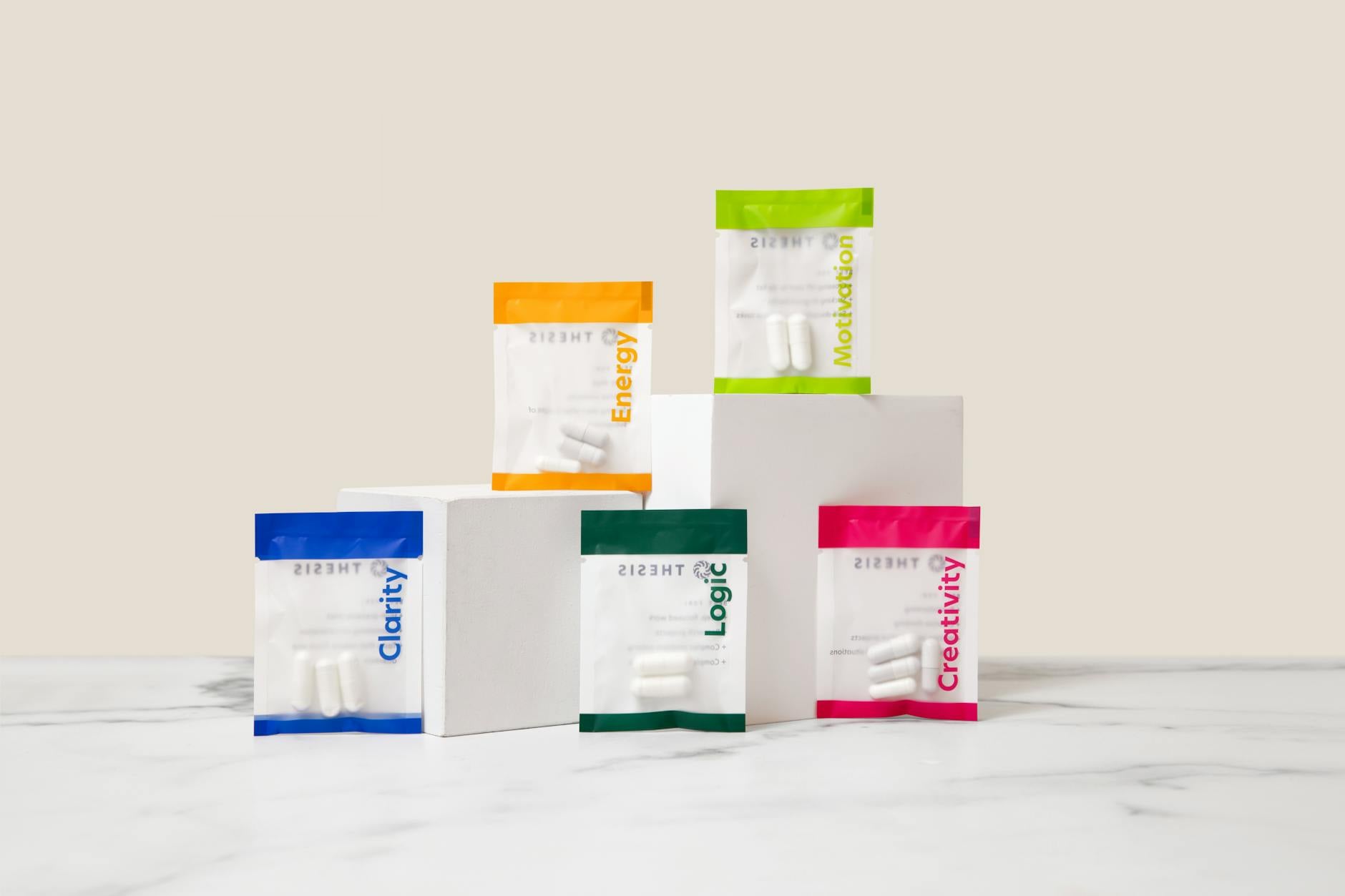
Low MOQ does not mean lower standards — but it does mean you need to verify quality more carefully, since low-MOQ manufacturers sometimes operate with less compliance infrastructure. Before signing with any private label supplement manufacturer, confirm:
- FDA establishment registration (searchable at the FDA Establishment Registration database)
- cGMP certification under 21 CFR Part 111 from a recognized third-party body (NSF International, NPA, USP, or Intertek)
- Batch production records and a master manufacturing record for every run, regardless of batch size
- Certificate of Analysis (COA) for every finished lot, including potency, identity, microbial, and heavy metals results
- A written Quality Agreement that specifies batch release criteria, deviation handling, and recall procedures
Starting Lean: A Low-MOQ Launch Framework
A practical framework for first-time supplement brand launches:
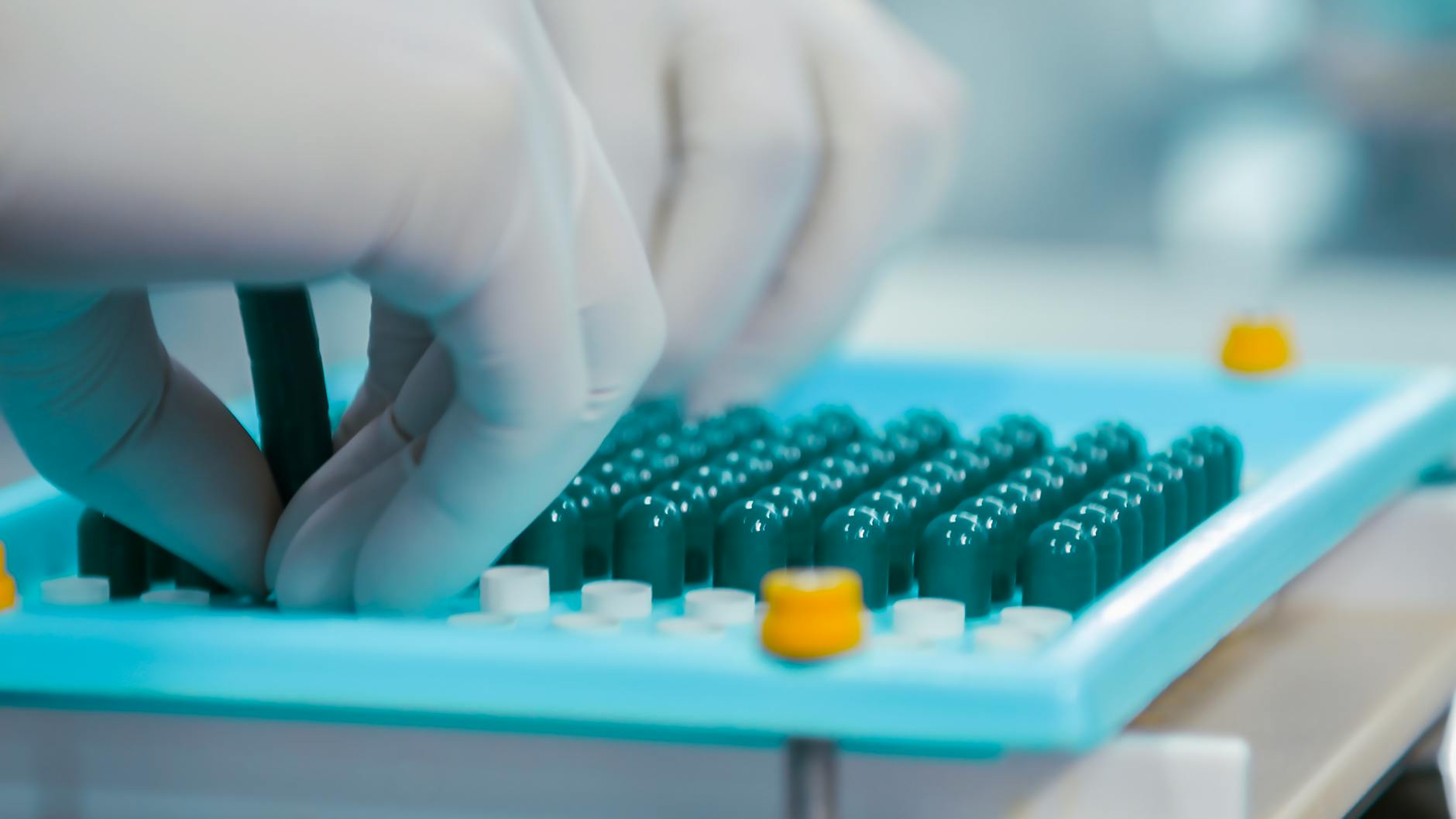
- Run 1 (validation): 3,000–5,000 units of one SKU using an existing formula. Validate positioning, pricing, and channel before investing in custom formulation.
- Run 2 (optimization): 10,000–25,000 units with packaging refinements and any formula adjustments based on market feedback.
- Run 3 (scale): 50,000+ units once velocity is proven, with the per-unit cost reductions that come with larger batches.
This approach keeps initial capital exposure under $25,000 for most dosage forms while giving you real market data before you commit to a custom formulation or high-volume run.
For more context, see our guide on contract manufacturing products.
Atrium Scientific is an FDA-registered, cGMP-certified contract manufacturer in the USA producing ODF strips, suppositories, capsules, stick packs, and personal care products with low-MOQ options starting at 3,000 units. Contact us to discuss your project requirements.



We propose launching Maravilla, a premium hydration + immunity drink mix brand built around two complementary, science-backed formulas designed for everyday consumers and dedicated endurance athletes alike. Both products share a clean-label foundation of electrolytes, functional hydration actives, immune support, and natural sweeteners, and are engineered to deliver fast, effective hydration without the sugar, artificial ingredients, or energy crash common to legacy sports-drink brands.
Please reach out to our team at team@atriumsci.com to inquire about our R&D and contract manufacturing services, thank you!