
Dietary Supplement Contract Manufacturer USA: The 2026 Brand Owner’s Guide
The U.S. dietary supplement industry generates $69 billion annually, with more than 80% of American adults using at least one supplement product. Behind every bottle, packet, or strip on the shelf is a manufacturer — and for the vast majority of supplement brands, that manufacturer is a contract manufacturing organization (CMO) rather than an in-house facility.
Choosing the right dietary supplement contract manufacturer is the most consequential decision a supplement brand will make. The wrong CMO means quality failures, missed timelines, compliance gaps, and products that never scale. The right CMO is a long-term growth partner. This guide covers everything supplement brands need to know in 2026 — from CMO types and regulatory requirements to dosage forms, timelines, and how tariff changes are reshaping the sourcing landscape.

The U.S. Dietary Supplement Market in 2026
The U.S. supplement market reached $69 billion in 2024 and continues to grow at 3–5% annually, driven by aging demographics, preventive health trends, and growing consumer interest in performance and longevity. An estimated 50,000+ unique supplement SKUs are commercially available in the United States, spanning categories from basic vitamins and minerals to specialized nootropics, hormone-supporting botanicals, and advanced delivery formats.
The fastest-growing supplement categories in 2026 include sleep support (driven by melatonin and adaptogen demand), cognitive function, gut health and prebiotics, longevity and cellular health (NAD+, NMN, spermidine), and GLP-1 companion products. Delivery format innovation — particularly oral dissolving films, sublingual strips, and functional stick packs — is driving premium pricing and DTC brand differentiation.
Against this backdrop, the demand for qualified U.S.-based contract manufacturers has never been higher. Tariff changes in 2026 have significantly increased the cost of offshore supplement production, while growing quality expectations from Amazon, retailers, and consumers are raising the bar for cGMP compliance documentation.
What Is a Dietary Supplement Contract Manufacturer?
A dietary supplement contract manufacturer (CMO or CDMO) is an FDA-registered company that produces supplement products to your formulation specifications. The brand owner supplies the formula and label; the CMO provides the cGMP-certified facility, equipment, testing, and regulatory documentation. CMOs differ from private label suppliers, who offer pre-made stock formulas, and from co-packers, who package bulk product you supply.
A dietary supplement contract manufacturer — also called a CMO (contract manufacturing organization) or CDMO (contract development and manufacturing organization) — is a company that produces supplement products to your specifications under your brand. The brand owner owns the formula, the label, and the customer relationship. The CMO owns the production facility, equipment, and quality systems.
This arrangement is distinct from two commonly confused alternatives:
- Private label manufacturing — the CMO has pre-developed stock formulas; you select one, add your label, and sell it. Faster and cheaper, but no formula differentiation.
- Co-packing / toll manufacturing — you supply the finished bulk product; the CMO packages it under your label. You control the formula but need your own manufacturing capability for the bulk.
A full-service CDMO handles the entire process: formulation R&D, ingredient sourcing, manufacturing, analytical testing, packaging, and regulatory documentation. Brands that partner with a CDMO own a proprietary formula with full batch records and COAs — the documentation infrastructure that supports Amazon selling, retail distribution, and international export.
Types of Supplement CMOs: Which Model Fits Your Brand?
Full-Service CDMOs
Full-service CDMOs offer formulation development, ingredient procurement, manufacturing, QC testing, and packaging under one roof. They are the best fit for brands building proprietary formulas with long-term IP value. Timeline is longer (4–8 months for custom formulas) and MOQs are higher, but the output is a differentiated, fully documented product. Atrium Scientific is a full-service CDMO specializing in specialty dosage forms: ODFs, sublingual strips, suppositories, oral care, and topicals.
Specialty Format CMOs
Specialty format CMOs focus on one or a few dosage forms that require unique equipment and expertise — gummies, ODFs, suppositories, softgels, or liquids. If your product requires a specialty format, working with a CMO that focuses on it produces better results than a generalist who offers it as a secondary capability. Specialty CMOs typically have more formulation depth and better equipment validation for their focus formats.
Private Label Stock Formula Suppliers
Private label CMOs maintain catalogs of pre-made formulas across popular supplement categories. Brands select, customize packaging, and launch quickly — often in 6–10 weeks. MOQs are low (sometimes 500–1,000 units). The tradeoff: no formula differentiation; any competitor can order the same product with a different label. Best for brands testing a market or launching a complementary SKU fast rather than building a core brand asset.
Toll Manufacturers and Co-Packers
Toll manufacturers process your bulk ingredients or semi-finished product using their equipment. Co-packers package your finished bulk into consumer units. These models work for brands that have their own formulas and bulk manufacturing relationships but lack packaging infrastructure. They are less relevant for most supplement brand startups.
The Regulatory Framework: 21 CFR Part 111 and FDA Registration
Dietary supplements in the United States are regulated under the Dietary Supplement Health and Education Act of 1994 (DSHEA) and manufactured under 21 CFR Part 111, the Current Good Manufacturing Practices regulation for dietary supplements. Understanding these frameworks is essential for evaluating CMOs — and for protecting your brand.
21 CFR Part 111 (Dietary Supplement cGMP)
21 CFR Part 111 requires dietary supplement manufacturers to establish and follow written procedures for identity testing of all incoming raw materials, batch production records, finished product testing, equipment cleaning and maintenance, employee training, and complaint handling. Every batch must have a production record, and identity and purity must be verified before release. Non-compliance carries significant consequences: FDA warning letters, consent decrees, and product recalls.
FDA Registration vs. FDA Approval
A critical distinction: the FDA does not approve dietary supplement products. FDA registration — required under the Bioterrorism Act of 2002 — is a mandatory administrative requirement for food and supplement facilities; it is not an endorsement or quality certification. Any CMO claiming their products are “FDA approved” is making an inaccurate claim. What you should require: FDA-registered facility (verifiable at FDA.gov) and a current cGMP certification from a recognized third-party auditor.
Third-Party cGMP Certification
Self-declared cGMP compliance is not sufficient. Third-party certification from organizations such as NSF International, Informed Choice, UL, the Natural Products Association (NPA), or BSCG means an independent auditor has reviewed the facility’s SOPs, equipment, testing protocols, and batch records against the Part 111 standard. Some retailers (Whole Foods, major natural channel distributors) and Amazon require third-party cGMP certification. Verify the certification is current — audits are typically annual or biannual.
Supplement Dosage Forms: What Your CMO Must Be Able to Produce
Not all CMOs manufacture all dosage forms. Dosage form capability should be your first filter when evaluating manufacturers — before price, before location, before anything else. Here is an overview of the major supplement dosage forms and what distinguishes their manufacturing requirements:

- Hard-shell capsules (HPMC or gelatin) — the most common supplement format; wide CMO availability; MOQ typically 10,000–50,000 units for custom formulas
- Softgels — requires specialized encapsulation equipment; best for oil-soluble actives; fewer qualified CMOs than hard-shell capsule producers
- Tablets — compressed powder; requires tablet presses and coating equipment; good for high-dose formulas; lower per-unit cost at scale
- Gummies — fast-growing format; requires gelatin or pectin deposition equipment; active ingredient stability (especially heat-sensitive compounds like probiotics) is a challenge; MOQ typically 20,000–50,000 units
- Powders and stick packs — flexible for high-dose formulas; stick pack manufacturing requires sacheting equipment; MOQ varies widely (1,000–10,000 units)
- Oral dissolving films (ODFs) / sublingual strips — specialty equipment; only a handful of U.S. CMOs; MOQ can be as low as 3,000 units at specialty manufacturers; ideal for fast-onset actives
- Suppositories — rectal and vaginal; requires melt-and-pour or compression equipment; very few USA-based manufacturers qualified for this format
- Topicals — creams, serums, gels; regulated as cosmetics or OTC drugs depending on claims; requires emulsification and filling equipment
- Liquids and tinctures — requires liquid filling lines; alcohol-based tinctures need specific licensing considerations
Brands developing products in specialty formats — ODFs, suppositories, or topicals — should work exclusively with CMOs that focus on those formats rather than offering them as secondary capabilities. The equipment complexity and formulation expertise required are substantially higher than for capsules or tablets.
How to Evaluate a Dietary Supplement Contract Manufacturer
Eight criteria that separate qualified CMO partners from risky ones:
1. cGMP Certification Status
Request the current third-party cGMP certificate. Verify the certifying body (NSF, NPA, UL, Informed Choice — not a self-certification), the certificate expiration date, and that the facility address matches where your product will be made. A 2-year-old certificate from a certifier you can’t verify independently is a red flag.
2. Dosage Form Specialization
Confirm the CMO’s primary dosage form expertise matches your product. Ask what percentage of their production volume is your dosage form, how many batches per month they run of it, and what their equipment capacity is. A CMO that primarily makes capsules and “also does gummies” will produce inferior gummies versus a gummy-specialist.
3. In-House Analytical Testing
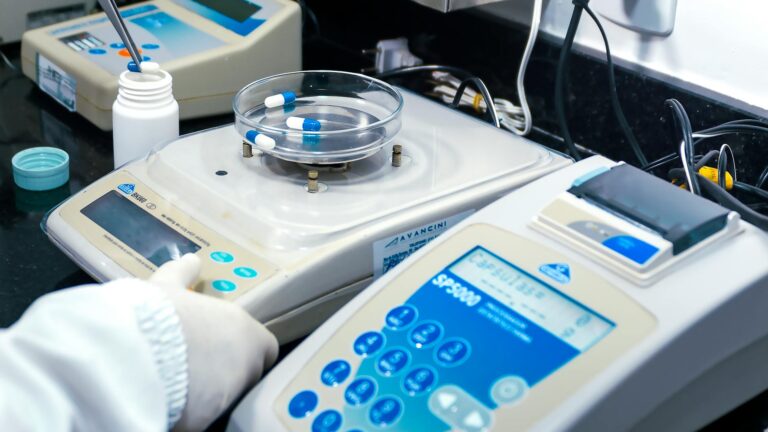
In-house laboratory capability (HPLC, ICP-MS, microbial testing) means faster release times and more control over your QC timeline. CMOs that outsource all testing to third-party labs add weeks to production timelines and have less direct visibility into batch quality. Ask specifically about identity testing for raw materials and finished product potency testing methodology.
4. MOQ Alignment
Match your first-run MOQ to your 90-day sales forecast, not your aspirational 12-month projection. A CMO with a 50,000-unit MOQ is not the right partner for a brand launching to validate market fit. Conversely, a CMO with a 500-unit MOQ likely lacks the production infrastructure to scale with you when demand grows. Find a CMO whose volume sweet spot aligns with your planned first 2–3 runs.
5. Formulation Development Support
Some CMOs are manufacturers only — they require you to provide a complete formula before production begins. Others have in-house R&D teams that will develop your formula from a concept brief. If you don’t have a formulator, you need a CDMO with R&D support. If you have your own formulation team, a contract-only manufacturer may be suitable.
6. Raw Material Sourcing and Supplier Qualification
Ask how the CMO qualifies ingredient suppliers. A robust supplier qualification program includes vendor audits, COA review, and identity testing on receipt. CMOs that accept ingredients from unqualified suppliers introduce contamination, adulteration, and potency risks that will ultimately become your brand’s liability.
7. International Regulatory Support
If you plan to sell into Canada, the EU, Australia, or the UK, your CMO must be able to provide the documentation those markets require: PIC/S GMP certificates for Australian TGA clearance, Health Canada’s SNN and NHP file support, EU Food Supplements Directive compliance documentation. Not all U.S. CMOs have experience navigating international requirements — ask specifically which export markets they have supported.
8. Communication and Transparency
Manufacturing relationships span months to years. A CMO that goes silent during production, provides vague timelines, or resists sharing batch records will cost you more in delays and rework than a slightly higher price point ever would. Pay attention to response time and documentation transparency during the vetting process — they are leading indicators of how the manufacturing relationship will function.
Timelines: From Signed Contract to First Delivered Shipment
Brands consistently underestimate how long supplement manufacturing takes. Here are realistic timelines for the two main models:
Custom Formula Development and Manufacturing
- Formulation development: 4–8 weeks (stability data may extend this for novel actives)
- Formula review and approval: 1–2 weeks
- Ingredient sourcing and qualification: 2–4 weeks (longer if specialty or international-sourced ingredients)
- Manufacturing and in-process QC: 1–3 weeks
- Finished product QC testing and release: 2–4 weeks
- Packaging and fulfillment: 1–2 weeks
- Total: 4–6 months, plan for 7–8 for first runs
Stock Formula / Private Label
- Formula selection and agreement: 1–2 weeks
- Label design and compliance review: 2–3 weeks
- Manufacturing and QC: 2–4 weeks
- Total: 6–10 weeks for established stock formulas
Build buffer into every timeline. First production runs almost always take longer than subsequent runs. Regulatory, labeling, or ingredient issues can add 2–6 weeks to either model. Brands launching for a seasonal peak (Q4 holiday, New Year, summer) should back-calculate from their launch date and start the CMO conversation 9–12 months out for custom formulas.
Why 2025 Tariff Changes Are Accelerating Domestic Manufacturing

The 2025 tariff changes — including duties exceeding 100% on certain Chinese-manufactured pharmaceutical and supplement goods — have fundamentally changed the economics of offshore supplement production. Brands that previously sourced finished goods or packaging from China are seeing landed costs increase dramatically, while supply chain visibility has decreased as suppliers navigate uncertainty.
The elimination of the De Minimis exemption (which previously allowed imports under $800 to enter duty-free) has created particular disruption for direct-to-consumer supplement brands importing small production runs or sample quantities from overseas manufacturers.
Beyond cost, domestic manufacturing provides structural advantages that are difficult to quantify but strategically significant: faster response to demand fluctuations, direct facility auditing capability, cleaner supply chain documentation for Amazon and retail partners, and the ability to make “Made in USA” claims that increasingly influence consumer purchase decisions in the supplement category.
For specialty formats — ODFs, suppositories, and oral care — domestic manufacturing was already the dominant model because qualified overseas CMOs for these formats are scarce. For capsule and tablet brands that have historically used Chinese CMOs, the combination of tariff costs and quality documentation requirements is making U.S. sourcing more competitive than at any point in the past decade.
Why Atrium Scientific for Dietary Supplement Contract Manufacturing

Atrium Scientific is a USA-based, FDA-registered, cGMP-certified contract development and manufacturing organization (CDMO) specializing in advanced supplement delivery formats. Our core capabilities — oral dissolving films, sublingual strips, suppositories, oral care products, stick pack powders, and topicals — serve brands that require formulation expertise beyond what generalist capsule manufacturers can deliver.
Our in-house R&D team develops custom formulas from concept briefs, including taste masking for bitter actives, encapsulation systems, and specialized base selection for suppositories and topicals. Every formula is validated with stability testing and sensory panel evaluation before production approval. We do not release batches that fail our quality standards.
Atrium’s minimum order quantity for ODFs starts at 50,000 individual strips (approximately 1,600 boxes of 30 strips). Our documentation package (COAs, batch records, cGMP certificate, FDA registration confirmation) satisfies the requirements of Amazon, major retailers, and international regulatory authorities including Australia’s TGA and Canada’s Health Canada.
All production takes place in our domestic facility. No overseas subcontracting, no supply chain opacity, no tariff exposure.
For more context, see our guide on contract manufacturing products.
For more context, see our guide on 10 questions to ask a contract manufacturer.
For more context, see our guide on minimum order quantities by dosage form.
For more context, see our guide on cGMP certification requirements.
Ready to evaluate Atrium Scientific as your contract manufacturing partner? Contact our team to discuss your dosage form, formulation requirements, and production timeline.
Frequently Asked Questions About Dietary Supplement Contract Manufacturing
What is a dietary supplement contract manufacturer?
A dietary supplement contract manufacturer (CMO or CDMO) produces supplement products to your formulation specifications under your brand. They handle manufacturing, QC testing, packaging, and documentation under cGMP regulations while you own the brand, formula, and customer relationship.
What is the minimum order quantity for supplement contract manufacturing?
MOQs vary significantly by dosage form. Capsules typically start at 10,000–50,000 units for custom formulas. ODFs can start as low as 3,000 units at specialty manufacturers. Gummies typically require 20,000–50,000 units. Powders and stick packs often start at 1,000–5,000 units. Always confirm MOQ by dosage form with specific CMOs.
How long does supplement contract manufacturing take?
Custom supplement manufacturing typically takes 4–8 months from signed agreement to first delivery. Stock/private label products can move in 6–10 weeks. Build buffer into every timeline — first production runs almost always take longer than subsequent runs, and regulatory or ingredient issues can add 2–6 weeks.
Do I need FDA approval to sell dietary supplements?
No. The FDA does not approve dietary supplement products. Your manufacturer must be FDA registered and operate under 21 CFR Part 111 cGMP regulations. You are responsible for ensuring your product is safe and that any claims are truthful and substantiated. The FDA takes enforcement action after the fact if products are unsafe or mislabeled.
How do I vet a U.S. dietary supplement contract manufacturer?
Filter first on dosage form capability, then verify FDA registration, current third-party cGMP certification, in-house analytical testing, MOQ alignment, and formulation support availability. Request references and documentation samples before committing to a production run. Response time and documentation transparency during vetting are leading indicators of the manufacturing relationship’s quality.
What is 21 CFR Part 111?
21 CFR Part 111 is the FDA’s Current Good Manufacturing Practices regulation for dietary supplements. It requires manufacturers to verify the identity of all incoming ingredients, maintain batch production records, test finished products, and document all quality control procedures. Brands that work with 21 CFR Part 111-compliant CMOs have documented evidence of quality control that protects against recalls, retailer audits, and FDA enforcement.